
Most people only think about calling for plumbing or underground utility help when something has already gone wrong — a water heater stops heating, a drain backs up, a septic line runs slow. A service contract or a standing inspection relationship flips that around. Instead of waiting for a failure, you get regular checkups that catch small problems while they're still small, cheap, and inconvenient rather than urgent, messy, and expensive.
Here's what that kind of arrangement typically covers, and how to tell if it's worth it for your home.
What a service contract covers
Every provider structures theirs a little differently, but a solid residential arrangement typically includes:
- Scheduled inspections. A technician checks your water heater, visible supply lines, septic or sewer connection points, and drain performance on a set schedule — usually once or twice a year.
- Priority scheduling. Contract customers generally move to the front of the line when something does come up, instead of waiting behind first-time callers.
- Documented history. You get a record of what's been checked and when, which matters a lot if you ever sell the house or need to trace a recurring issue.
Why it matters more in Western North Carolina
Mountain homes take a different kind of wear than homes in flatter, milder climates. Elevation changes bring wider temperature swings, older housing stock in towns like Hendersonville and Asheville often means aging supply and sewer lines, and a lot of properties here run on well water or septic systems that need their own attention. A regular inspection is the difference between spotting a slow leak or a failing septic connection in March and discovering it in July when it's a much bigger job.
Who benefits most
- Older homes. Aging pipe material and underground lines benefit from a second set of eyes checking for early corrosion, root intrusion, or slow leaks.
- Homes with septic systems. Septic and underground line problems are expensive to fix and easy to catch early with routine checks.
- Rental property owners. A standing inspection relationship means small issues get caught during a scheduled visit instead of becoming a tenant's emergency call.
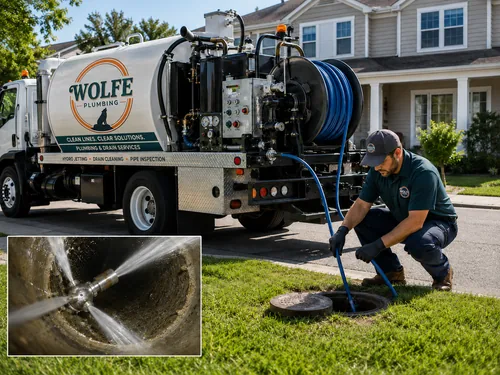
- Anyone who's had a recurring clog or slow drain. If a drain or main line has backed up more than once, pairing inspection with periodic maintenance — including hydro jetting when it's warranted — tends to pay for itself.
What it isn't
A service contract isn't an insurance policy, and it won't cover a full system replacement or storm damage. It's maintenance, not a warranty. Note too that Wolfe Plumbing's own scope is a licensed Underground Utility and Septic contractor plus a short list of plumbing service calls (water heaters, fixtures, hydro jetting) — an inspection relationship with us covers that scope.
Is it worth it for you?
If your home is more than 15 years old, relies on a septic system, or has given you more than one surprise in the past couple of years, routine inspection is usually worth the modest cost. If you're in a newer build with recently updated systems, you may be fine with an occasional check instead — and we'll tell you that honestly if you ask.
Have questions about your own plumbing or septic system?
Wolfe Plumbing serves Hendersonville, Asheville, and Western North Carolina. Reach out and we'll get back to you within 48 hours.